
It is clear that humanity must question the limits of past 20th century national self-interest if we are to address the greatest threat to our collective survival – runaway climate change. Transform Defence for Sustainable Human Safety describes the paradigm shift we will need to meet this monumental challenge.
Transform Defence for Sustainable Human Safety is Tipping Point North South’s primary policy/advocacy project.
It grew out of its work to make the case that runaway military spending must be addressed by all those campaigning on climate justice including the international development sector. The work was initially framed through the The Five Percent Proposal and its two-part formula for cuts to global military spending. This in turn led to research on how runaway global military spending is inextricably linked to the global military’s impact on climate change.
As a result, this work led us to look at the many ways the global military’s interest is working against the good work of the United Nations. Our work now also addresses the absence of military emissions reporting in various critical UN processes and the absence of the military in Green New Deal discussions.
And as climate finance needs becomes ever more urgent, we join all those who call out those over-developed nations which grew rich on fossils fuels, to stop offering shameful excuses about ‘no money’ and pay up. Finding hundreds of billions to re-arm your militaries puts paid to the lie that the resources are not there. Clearly they are. For defence.
If the expectation of every aspect of human activity is to decarbonise – from agriculture to fashion, transport to house building – then the global military must surely be part of this. But for a fossil-fuel-reliant sector responsible for 5.5% of global GHG emissions, what does this mean? It does not mean falling military greenwash – business as usual with reduced GHG emissions.
The climate emergency – along with other significant threats to human safety such as pandemic and ever-deepening inequality – demands we think differently about how we understand the true meaning of ‘defence’. And how we pay for it. The time has come to transform defence for sustainable human safety.
We are in the midst of the sixth mass extinction.
The most socially and economically damaging threat to our collective global human safety – climate change – is nowhere near centre stage in defence/security policy-making. The numbers speak for themselves.
We are currently spending more than $2.4 trillion on the global military, and the amounts keep rising every year. Unless we change course, in the six years to 2030, the global military will receive more than $14 trillion while necessary climate finance to achieve the UNFCCC 2030 targets remains severely underfunded. The richest countries (categorised as Annex II in the UN climate talks) are spending 30 times as much on their armed forces as they spend on providing climate finance for the world’s most vulnerable countries, which they are legally bound to do.
Every person, community, society, nation, region needs protection from aggressors and terrorists and it is the job of government to defend its citizens from such threats. But climate chaos and pandemic show us that ‘national security’ – or rather sustainable human safety – policies need to be drawn from a much wider remit if they are to truly rise to the challenge of combating the greatest threats to our collective human safety. The time has come to place conventional threats alongside the much greater but entirely marginalised human safety threats of climate change and pandemic.
Moreover, a much needed cost-benefit analysis of present-day defence spending can only move us towards far greater, genuine ‘value for money’ as we redirect and repurpose military spending from 20th-century ‘national security’ protection of ‘national interests’ to 21st-century sustainable human safety needs.
The climate emergency, the Green New Deal, Covid-19, Black Lives Matter and #MeToo Movements are all part of the shift demanding social and economic change. A practical, imaginative, brave discussion about redefining and re-making foreign and defence policy such that it is truly fit-for-purpose as well as understanding its role in climate change, pandemic, economic, racial and gender injustice must be an integral part of the system change process.
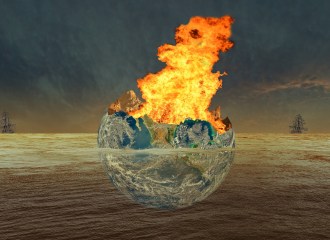




 Transform defence for sustainable human safety